Have you ever wondered if your website will continue to attract new customers as technology changes? Staying ahead requires a smart look at how search habits are shifting right now.
We are studying important market changes to help your business stay strong and thrive. This overview provides a clear strategy to handle upcoming shifts with total confidence.
Improving your digital plan today ensures you stay visible among many tough rivals. You will discover better ways to connect with your audience every single day.
Key Takeaways
- Prioritize user experience for better engagement.
- Leverage advanced tools to refine content quality.
- Enhance mobile performance to reduce bounce rates.
- Focus on topical authority through detailed research.
- Optimize for conversational queries and voice search.
- Implement structured data for improved visibility.
Why 2026 Will Transform Search Engine Optimization
With technological innovations and shifting user behaviors, 2026 promises to be a pivotal year for search engine optimization.
As technology advances, search engines are becoming more sophisticated in understanding user intent. This shift is driven by improvements in natural language processing (NLP) and machine learning algorithms, enabling search engines to provide more accurate and personalized results.
The rise of voice search and visual search is also changing how users interact with search engines. Businesses will need to adapt their SEO strategies to accommodate these new search methods.
Impact on Digital Marketing Strategies
The changes in SEO will have a significant impact on digital marketing strategies. Companies will need to focus on creating high-quality, relevant content that meets the evolving needs of their target audience.
| SEO Trend | Impact on Digital Marketing |
|---|---|
| Advancements in AI and ML | More personalized search results, requiring businesses to create highly relevant content. |
| Rise of Voice and Visual Search | Need for optimization strategies that cater to these new search methods. |
| Continued Evolution of User Behavior | Businesses must stay agile and adapt their SEO strategies to changing user behaviors. |
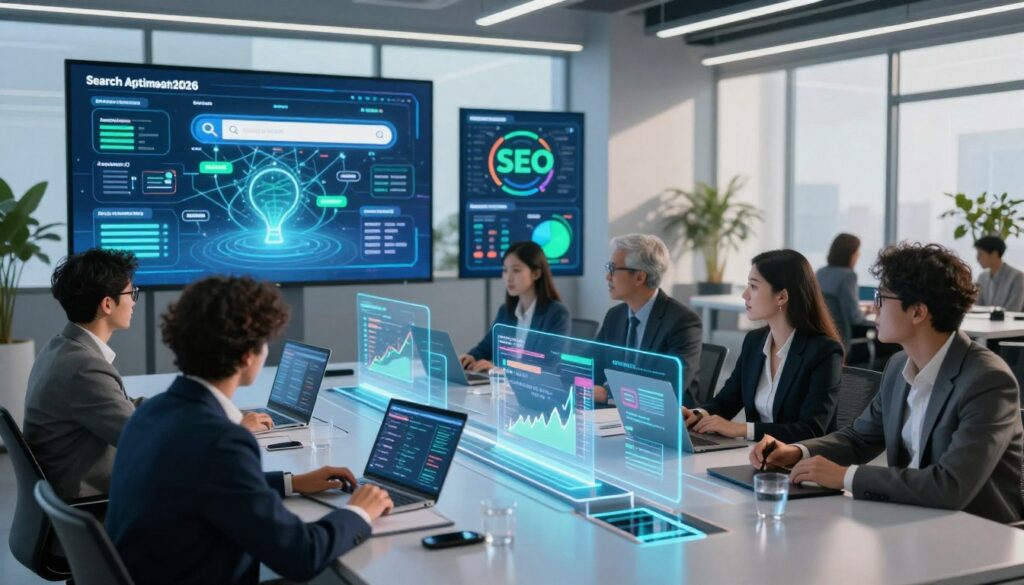
Artificial Intelligence and Machine Learning in SEO
As we dive into 2026, it’s clear that AI and ML are not just buzzwords but pivotal technologies reshaping the SEO landscape. The impact of these technologies is multifaceted, influencing various aspects of SEO from content creation to search rankings.
How AI-Powered Content Creation Is Changing the Game
AI-powered content creation is becoming increasingly sophisticated, enabling businesses to produce high-quality, engaging content at scale. This technology uses complex algorithms to analyze data, understand context, and generate content that resonates with target audiences.
Key benefits of AI-powered content creation include:
- Enhanced efficiency in content production
- Improved content personalization
- Ability to analyze vast amounts of data for content optimization
Balancing AI Content with Human Creativity
While AI-generated content offers numerous advantages, it’s crucial to strike a balance between AI-driven processes and human creativity. Human input ensures that content retains a personal touch and emotional resonance that audiences can connect with.
The synergy between AI and human creativity can lead to innovative content strategies that leverage the strengths of both.
Machine Learning Algorithms Reshaping Search Rankings
Machine learning algorithms are continually evolving, making search engine rankings more sophisticated and nuanced. These algorithms can analyze user behavior, preferences, and search patterns to deliver more relevant search results.
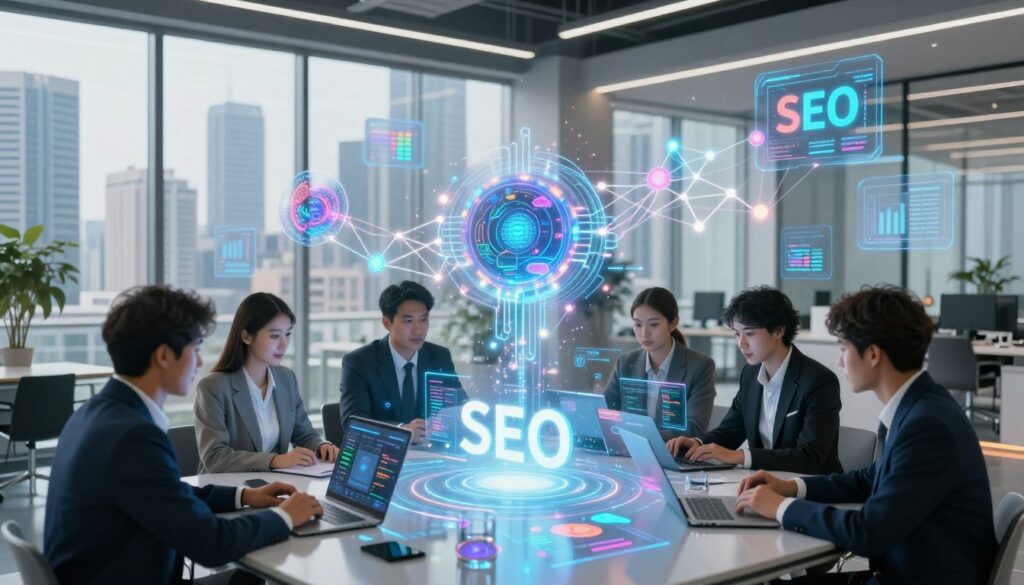
Predictive Search and Advanced User Intent Understanding
Predictive search capabilities, powered by ML, are enhancing user intent understanding. This allows search engines to anticipate user needs and provide more accurate, relevant results.
By understanding and adapting to these advancements, businesses can refine their SEO strategies to better align with the evolving search landscape.
Voice Search Optimization Takes Center Stage
With the proliferation of smart speakers and voice assistants, voice search optimization is taking center stage in the SEO world. The way users interact with search engines is changing, and businesses must adapt to remain visible and competitive.
Voice search optimization involves more than just tweaking existing SEO strategies; it requires a deep understanding of how people speak and the nuances of voice queries. This includes focusing on conversational keywords and leveraging natural language processing (NLP) to better match user intent.
Conversational Keywords and Natural Language Processing
Conversational keywords are longer-tail phrases that mimic how people naturally speak. Unlike traditional keywords, which are often short and to the point, conversational keywords are more detailed and context-specific.
- Use long-tail phrases that reflect natural speech patterns.
- Incorporate questions and phrases that start with who, what, where, when, why, and how.
- Optimize for phrases that include local intent, such as “near me” or “in [city name].”
Natural Language Processing (NLP) is a technology that enables computers to understand and interpret human language. By optimizing content with NLP in mind, businesses can improve their visibility in voice search results.
Optimizing for Smart Speakers and Voice Assistants
Smart speakers and voice assistants like Amazon Alexa, Google Assistant, and Apple Siri are changing the way people search for information. To optimize for these devices, consider the following strategies:
- Ensure your website is mobile-friendly and has fast loading speeds.
- Use structured data markup to help search engines understand your content.
- Create content that directly answers common questions related to your business or industry.

Voice commerce, or v-commerce, is on the rise, with more users using voice assistants to make purchases and interact with local businesses. To capitalize on this trend, businesses should focus on optimizing for local voice queries.
This includes ensuring your Google Business Profile is up-to-date and accurate, using location-specific keywords, and creating content that addresses local needs and interests.
By prioritizing voice search optimization, businesses can stay ahead of the curve and provide a better user experience for their customers.
Video Content Optimization Strategies
In the evolving world of SEO, video content optimization stands out as a critical factor for online success in 2026. As video consumption continues to rise, businesses must adapt their SEO strategies to include effective video optimization techniques.
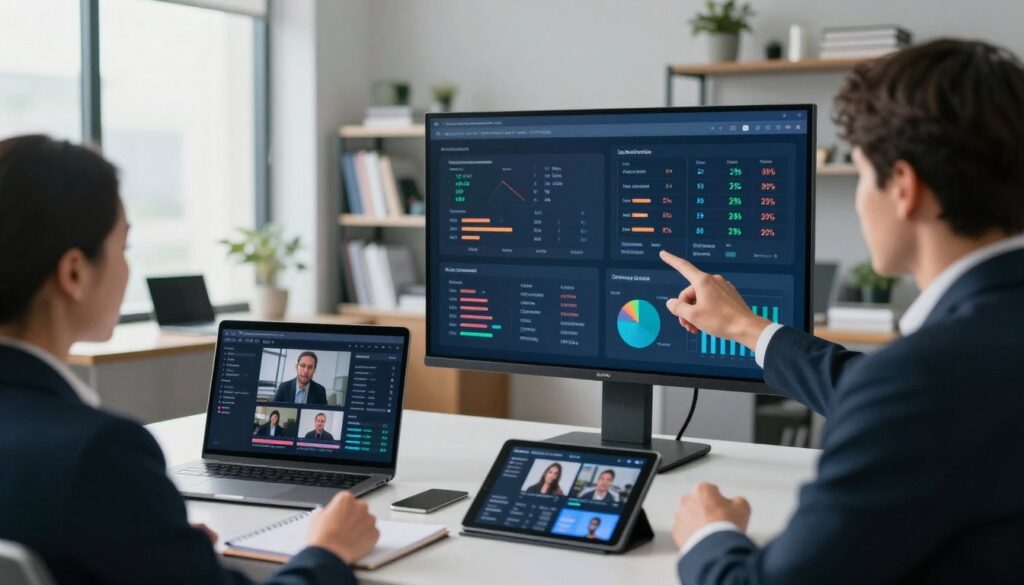
YouTube SEO and Video Search Rankings
YouTube remains the second-largest search engine globally, making YouTube SEO a vital component of any video content optimization strategy. To improve video search rankings, focus on:
- Using relevant keywords in video titles and descriptions
- Creating engaging thumbnails that increase click-through rates
- Optimizing video length and engagement metrics
Video Transcripts and Closed Captions
Incorporating video transcripts and closed captions not only enhances user experience but also improves video SEO. Search engines can crawl the text, making the content more accessible and increasing its visibility in search results.
Short-Form Video Content and Social Search Integration
The rise of short-form video content on platforms like TikTok and Instagram has transformed the way users search for information online. To leverage this trend, businesses should focus on creating engaging, short-form videos that are optimized for social search.
TikTok and Instagram as Search Engines
TikTok and Instagram are increasingly being used as search engines, particularly among younger demographics. Optimizing video content for these platforms involves using relevant hashtags, creating engaging content, and leveraging platform-specific features.
By incorporating these video content optimization strategies, businesses can improve their online visibility, drive more traffic to their websites, and stay ahead of the competition in 2026.
Mobile-First Indexing Evolution and Beyond
With the majority of web traffic now coming from mobile devices, search engines are prioritizing mobile-first indexing, a trend that will continue to evolve in 2026. This shift underscores the need for businesses to ensure their websites are not only mobile-friendly but also offer a seamless user experience across all devices.
“The mobile-first indexing approach is no longer a recommendation; it’s a necessity for any business aiming to stay competitive in the digital landscape,” as emphasized by industry experts. As such, understanding its implications is crucial for developing effective SEO strategies.
Mobile Page Speed and Performance Optimization
One of the critical aspects of mobile-first indexing is page speed. Mobile users expect fast, efficient experiences, and search engines reward websites that deliver on this expectation. Optimizing images, leveraging browser caching, and minimizing CSS and JavaScript files are some strategies to enhance mobile page speed.
Key Strategies for Mobile Page Speed Optimization:
- Compressing images without compromising quality
- Utilizing Content Delivery Networks (CDNs) to reduce latency
- Minimizing the use of heavy JavaScript and CSS files
By implementing these strategies, businesses can significantly improve their website’s performance on mobile devices, thereby enhancing user experience and search engine rankings.

Progressive Web Apps and Mobile User Experience
Progressive Web Apps (PWAs) represent a significant advancement in mobile web technology, offering users a native app-like experience. PWAs are fast, reliable, and engaging, making them an attractive option for businesses looking to enhance their mobile presence.
Benefits of Progressive Web Apps:
- Improved user engagement through push notifications and offline capabilities
- Enhanced performance and speed, even on low-quality networks
- Reduced development and maintenance costs compared to native apps
By adopting PWAs, businesses can provide a more satisfying and interactive experience for their mobile users, driving conversions and fostering brand loyalty.
Top SEO Trends in 2026 You Can’t Ignore
Staying ahead in the SEO game requires understanding the key trends that will dominate 2026. As search engines continue to evolve, businesses must adapt their strategies to remain visible and competitive in the digital landscape.
Zero-Click Searches and Featured Snippets Dominance
Zero-click searches are becoming increasingly prevalent, with users getting the information they need directly from search engine results pages (SERPs). To capitalize on this trend, businesses should focus on optimizing for featured snippets. This involves creating high-quality, concise content that directly answers user queries.
To increase the chances of being featured in a snippet, consider the following strategies:
- Use clear, concise language in your content
- Structure your content with headers and subheaders
- Provide direct answers to common questions related to your niche
Entity-Based Search and Knowledge Graphs
Entity-based search is gaining traction, with search engines placing more emphasis on understanding the context and relationships between different entities. This shift requires businesses to demonstrate their content authority and expertise in their respective fields.
To optimize for entity-based search, focus on:
- Creating comprehensive content that covers a topic in-depth
- Establishing your brand as an authority through high-quality content and backlinks
- Ensuring consistency in your branding and messaging across the web
Semantic Search and Topic Cluster Strategies
Semantic search continues to improve, allowing search engines to better understand user intent and context. To leverage this, businesses can implement topic cluster strategies, where they create a cluster of content around a central topic.
This involves:
- Identifying a core topic and creating a pillar page
- Developing related subtopics and linking them to the pillar page
- Using internal linking to establish a clear content hierarchy
E-E-A-T and Demonstrating Content Authority
Google’s E-E-A-T guidelines (Experience, Expertise, Authoritativeness, Trustworthiness) are crucial for demonstrating content authority. Businesses must ensure their content meets these criteria to improve their website ranking factors.
To enhance E-E-A-T, consider:
- Showcasing the expertise of your content creators
- Providing high-quality, well-researched content
- Building a trustworthy brand through transparency and consistency
Local SEO Techniques and Hyper-Personalization
Local SEO is on the cusp of a significant transformation in 2026, driven by advancements in technology and changing user behaviors. As businesses continue to navigate the digital landscape, understanding and implementing effective local SEO techniques will be crucial for attracting and retaining customers.
The importance of local SEO techniques lies in their ability to connect businesses with their target audience at the right time and place. With the majority of consumers using search engines to find local products and services, optimizing for local search is no longer optional.
Google Business Profile Optimization for 2026
A well-optimized Google Business Profile is the cornerstone of any successful local SEO strategy. In 2026, businesses must ensure their profile is complete, accurate, and up-to-date to maximize visibility in local search results.
Reviews, Q&A, and Customer Engagement
Customer reviews and engagement are vital components of Google Business Profile optimization. Encouraging customers to leave reviews and responding promptly to their queries not only enhances credibility but also improves search rankings. Businesses should leverage the Q&A feature to provide valuable information and address common customer concerns.
For instance, a local restaurant can use the Q&A section to answer frequently asked questions about menu items, operating hours, and reservation policies, thereby improving customer satisfaction and reducing the workload on their staff.
Location-Based Personalization and Geo-Targeting Strategies
Location-based personalization involves tailoring content and marketing efforts to specific geographic locations. By leveraging geo-targeting strategies, businesses can deliver highly relevant content to their target audience, increasing the likelihood of conversion.
To implement effective location-based personalization, businesses can use various tools and techniques, such as:
- Geo-targeted advertising on social media platforms
- Location-specific content creation
- Personalized email marketing campaigns based on user location
By combining these strategies with a robust Google Business Profile, businesses can significantly enhance their local SEO efforts and attract more customers in 2026.
User Experience Signals and Core Web Vitals Updates
As we dive into 2026, the landscape of search engine optimization is being reshaped by user experience signals and Core Web Vitals updates. The way users interact with a website is becoming a critical factor in determining its search engine ranking.
“User experience is the new frontier in SEO,” as emphasized by industry leaders, highlighting the shift towards a more user-centric approach in digital marketing. This change underscores the importance of creating websites that are not only informative but also provide a seamless and engaging user experience.
Interaction to Next Paint and New UX Metrics
The introduction of new UX metrics, such as Interaction to Next Paint (INP), is set to further refine how search engines evaluate user experience. INP measures the time it takes for a page to respond to user interactions, providing a more nuanced understanding of a website’s performance.
Optimizing for INP involves ensuring that websites are designed to respond quickly to user inputs, such as clicking on buttons or scrolling through content. This can be achieved through efficient coding practices and optimizing resource loading.
Accessibility and Inclusive Design in SEO
Accessibility is no longer just a recommendation; it’s becoming a necessity for effective SEO. Ensuring that websites are accessible to all users, including those with disabilities, is crucial for providing an inclusive user experience.
WCAG Compliance and SEO Benefits
Compliance with the Web Content Accessibility Guidelines (WCAG) not only enhances a website’s accessibility but also contributes to its SEO. WCAG guidelines provide a comprehensive framework for making web content more accessible, which in turn can improve user engagement and search engine rankings.
By adhering to WCAG standards, businesses can ensure that their websites are perceivable, operable, understandable, and robust, thereby catering to a broader audience and improving their online presence.
“Accessibility is not just a moral imperative; it’s also a business opportunity. By making your website accessible, you’re not only doing the right thing, you’re also expanding your reach and improving your brand reputation.”
Implementing these strategies requires a holistic approach to web design and development, focusing on both the technical and user experience aspects. By doing so, businesses can stay ahead in the SEO landscape of 2026.
Preparing Your Digital Marketing Strategy for 2026
To remain competitive in 2026, businesses must evolve their digital marketing strategies to align with emerging SEO practices. This involves a multifaceted approach that integrates various marketing channels and stays abreast of the latest SEO trends.
The digital landscape is becoming increasingly complex, with search engines continually updating their algorithms to provide users with more relevant and personalized results. As such, businesses need to be proactive in adapting their strategies to these changes.
Integrating SEO with Omnichannel Marketing Efforts
One key aspect of preparing for 2026 is integrating SEO with omnichannel marketing efforts. This means ensuring that your SEO strategy is aligned with your overall marketing efforts across various channels, including social media, email, and content marketing.
By doing so, businesses can create a cohesive brand experience that drives engagement and conversions. For instance, optimizing social media content for search can enhance brand visibility and drive traffic to your website.
Understanding Evolving Website Ranking Factors
Another crucial aspect is understanding the evolving website ranking factors. Search engines are placing greater emphasis on user experience and content quality, so businesses need to focus on creating high-quality, user-centric content that addresses the needs of their target audience.
| Ranking Factor | Description | Impact on SEO |
|---|---|---|
| Page Speed | The time it takes for a webpage to load | High impact – faster pages rank higher |
| Mobile-Friendliness | The responsiveness of a website on mobile devices | High impact – mobile-friendly sites are preferred |
| Content Quality | The relevance, accuracy, and usefulness of content | High impact – high-quality content ranks higher |
Essential Tools and Resources for Future-Proof SEO
To future-proof their SEO efforts, businesses will need to leverage essential tools and resources. This includes SEO software, content creation tools, and analytics platforms that can help them stay ahead of the curve.
Some of the key tools include Google Analytics, SEMrush, and Ahrefs, which provide insights into website performance, keyword rankings, and backlink profiles.
Conclusion
As we look ahead to 2026, it’s clear that the landscape of Search Engine Optimization is on the cusp of significant change. The seo trends in 2026 will be shaped by advancements in artificial intelligence, voice search, and user experience signals.
To stay ahead of the competition, businesses must be prepared to adapt their digital marketing strategies to these emerging trends. By understanding the key drivers of seo trends in 2026, companies can position themselves for success in an increasingly complex online environment.
By integrating the latest SEO practices, such as optimizing for voice search and prioritizing user experience, businesses can improve their online visibility and drive growth. As the digital landscape continues to evolve, staying informed about the latest seo trends in 2026 will be crucial for achieving long-term success.
FAQ
What are the most impactful SEO trends in 2026 that I should prepare for?
The landscape of search engine optimization is shifting toward a more integrated, user-centric model. In 2026, the most significant seo trends in 2026 include the rise of generative engine optimization (GEO), the dominance of zero-click searches via featured snippets, and a heavy focus on E-E-A-T (Experience, Expertise, Authoritativeness, and Trustworthiness). Brands that prioritize deep, topical authority over broad keyword targeting will likely see the best results.
How is artificial intelligence in SEO changing the way we create content?
A: Artificial intelligence in seo is no longer just about generating text; it’s about refining user intent and personalization. Tools like Google Gemini and OpenAI’s ChatGPT are helping creators produce high-quality drafts at scale, but the real winners are those who balance AI efficiency with human creativity. To rank well, you must ensure your AI-assisted content provides unique insights that a machine cannot replicate alone.
Will mobile-first indexing still be a priority for website rankings?
Absolutely! Mobile-first indexing has evolved from a recommendation to a fundamental requirement. By 2026, search engines will look beyond just “responsiveness” and focus on Interaction to Next Paint (INP) and other Core Web Vitals. If your site isn’t lightning-fast on a mobile device or if it lacks a seamless Progressive Web App experience, your visibility in mobile search results will significantly decline.
Why is voice search optimization becoming so critical for local businesses?
As smart speakers like Amazon Alexa and Apple’s Siri become more sophisticated, voice search optimization has moved center stage. Users are moving away from short “keyword” queries and toward long-tail, conversational questions. For local businesses, this means focusing on natural language and ensuring your Google Business Profile is fully optimized to answer “near me” queries and specific local voice requests instantly.
How can I improve my video content optimization to rank better on social search?
A: Video content optimization is essential because platforms like TikTok and Instagram are now functioning as primary search engines for younger demographics. To rank higher, you should incorporate relevant keywords in your video captions, use accurate video transcripts, and ensure your content is structured to answer specific user questions within the first few seconds of the clip.
What are the most important website ranking factors to watch in 2026?
Beyond traditional backlinks, the key website ranking factors in 2026 include user experience signals, content depth, and semantic relevance. Search engines are getting better at understanding topic clusters rather than just individual keywords. Demonstrating real-world authority through reviews on Trustpilot or engagement on your Google Business Profile will also play a massive role in how search engines perceive your credibility.
What specific local SEO techniques should I use to beat the competition?
Modern local SEO techniques go beyond just having a local address. You should focus on hyper-personalization and geo-targeting. This involves creating localized landing pages that speak to specific community events or needs and actively managing your Reviews and Q&A sections. Engaging with your customers directly on your local profiles signals to search engines that you are an active, trusted member of that geographic area.
How should I adjust my digital marketing strategies to stay ahead of these changes?
Your digital marketing strategies must become omnichannel. SEO can no longer exist in a vacuum; it must be integrated with your social media, email marketing, and video production. By 2026, the goal is to create a cohesive digital footprint where your brand is recognized as an authority across multiple platforms, making you less vulnerable to individual algorithm updates from Google or Bing.

I am an SEO expert with over 7+ years of hands-on experience in search engine optimization, content strategy, and organic growth. I specialize in creating SEO-driven blog content that helps businesses improve search visibility, attract qualified traffic, and achieve sustainable rankings on Google. With a strong understanding of on-page SEO, keyword research, technical SEO, and content optimization, I focus on delivering data-backed, user-focused content that converts.
Related Posts

Boost Your Online Visibility with Our On Page SEO Services
In today's digital landscape, boosting your online visibility is crucial…

Get Expert SEO Service in Khajuri | Call +91 8839797476
In today's digital landscape, having a robust online presence is…
Enterprise SEO Services Pricing: Unlock Your Online Potential
In today's competitive digital landscape, large businesses need a robust…