Have you ever wondered why certain online shops consistently grab the top spot on Google? It often feels like a mysterious club where only a few receive invitations.
If your sales have stagnated, it might be time to look at new growth plans. These advanced methods and tactics are perfect for growing your websites.
By mastering modern e-commerce seo strategies, you can turn a quiet site into a busy marketplace. Our guide explains these complex ideas with simple, easy steps.
We want to help you reach more consumers without spending a lot of money on ads. By focusing on smart technical tweaks, you can see real results quickly.
Key Takeaways
- Maximize site speed to keep potential visitors happy and engaged.
- Enhance product pages with unique and helpful content.
- Use internal linking to guide shoppers toward popular items.
- Apply schema markup to win rich snippets in search results.
- Strengthen mobile shopping experience to capture more sales.
- Analyze performance data to find new growth opportunities.
1. Mastering Technical SEO Foundations for E-Commerce
Technical SEO foundations are the backbone of a successful e-commerce website, enabling better crawlability and indexability. A well-structured technical SEO framework is crucial for large e-commerce sites with extensive product catalogs.
Optimizing Crawl Budget for Large Product Catalogs
E-commerce websites with thousands of products face the challenge of optimizing their crawl budget. This involves ensuring that search engines like Google crawl and index the most important pages on the site.
Identifying and Blocking Low-Value Pages
One effective strategy is to identify and block low-value pages using robots.txt or meta robots tags. This prevents search engines from wasting crawl budget on pages that don’t add significant value to the user experience or conversion funnel.
Using Log File Analysis to Improve Crawling
Log file analysis provides insights into how search engines crawl a website. By analyzing log files, e-commerce site owners can identify crawl patterns, understand which pages are being crawled, and optimize their site’s structure accordingly.
| Crawl Pattern | Insight | Action |
|---|---|---|
| Frequent crawling of product pages | Indicates importance and freshness of content | Ensure product pages are optimized and updated regularly |
| Crawling of low-value pages | Wasting crawl budget on non-essential pages | Block or noindex low-value pages |
| Crawl errors on critical pages | Prevents indexing of important content | Fix crawl errors promptly |
Implementing Advanced Canonicalization Strategies
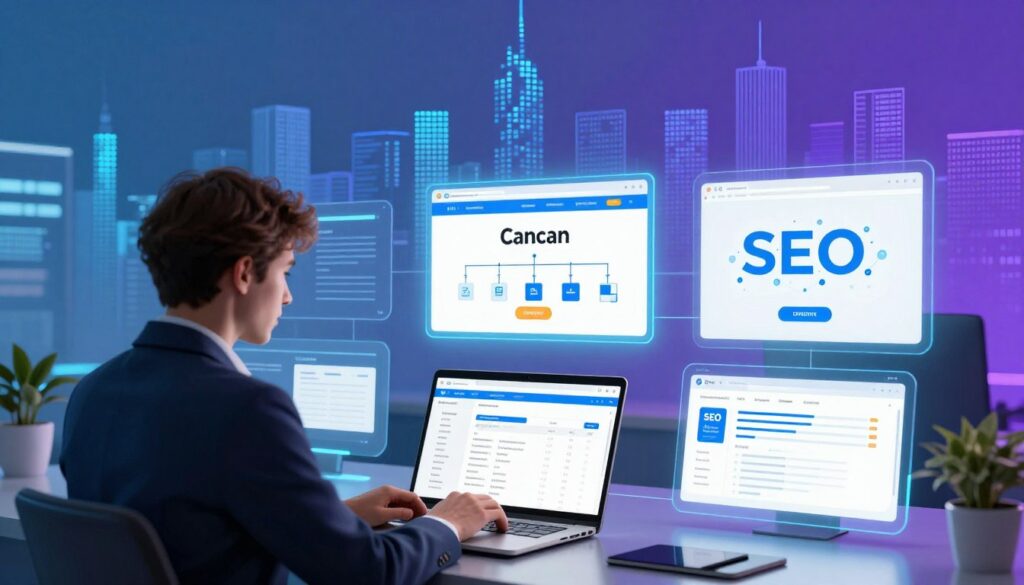
Canonicalization is critical for e-commerce sites with duplicate or similar content across multiple pages. Proper canonicalization helps search engines understand which version of a page to index.
Handling Product Variations and Duplicate SKUs
E-commerce sites often struggle with product variations and duplicate SKUs. Implementing canonical tags correctly can help consolidate link equity and prevent dilution of ranking signals.
Managing Pagination and Infinite Scroll
Pagination and infinite scroll are common on e-commerce sites, especially on category and product listing pages. Proper management of these elements is crucial to prevent crawlability issues and ensure that search engines can index all relevant content.
By mastering these technical SEO foundations, e-commerce websites can significantly improve their search engine rankings, drive more organic traffic, and ultimately increase sales.
2. Advanced Product Page Optimization Techniques
To stay competitive, e-commerce businesses must employ sophisticated strategies for optimizing their product pages. Advanced product page optimization techniques can significantly enhance the visibility, user experience, and conversion rates of e-commerce sites.
Scaling Unique Product Descriptions Efficiently
Creating unique product descriptions is crucial for SEO, as it helps avoid duplicate content issues and provides value to customers. However, scaling this process can be challenging for large e-commerce sites.
Using AI and Templates Without Penalties
Utilizing AI-generated content and templates can streamline the process of creating unique product descriptions. However, it’s essential to ensure that the content remains high-quality, engaging, and relevant to avoid SEO penalties.
To achieve this, e-commerce businesses can use AI tools that analyze product data and generate descriptions based on predefined templates. It’s crucial to review and edit the generated content to ensure it meets the brand’s voice and quality standards.
Incorporating Long-Tail Keywords Naturally
Incorporating long-tail keywords into product descriptions can improve their visibility in search engine results. This involves using specific phrases that customers are likely to search for when looking for particular products.
For example, instead of using a generic term like “shoes,” a more effective long-tail keyword could be “women’s size 8 running shoes.” This approach not only enhances SEO but also makes the product more discoverable.
Image Optimization Beyond Compression
Image optimization is a critical aspect of product page optimization. While compressing images is a common practice, there are other advanced techniques to further improve image SEO.
Implementing Next-Gen Image Formats
Adopting next-generation image formats like WebP can significantly reduce image file sizes without compromising quality. This improves page load times and enhances user experience.
Creating SEO-Friendly Alt Text at Scale
Crafting SEO-friendly alt text for images is vital for accessibility and search engine ranking. E-commerce sites can use automated tools to generate alt text based on product information, ensuring consistency and relevance.
For instance, a product image of a red dress could have an alt text like “red women’s summer dress with floral pattern.” This not only describes the image but also includes relevant keywords.
Leveraging User-Generated Content for SEO
User-generated content (UGC), such as customer reviews and ratings, can significantly enhance product page SEO. UGC adds freshness and relevance to product pages, signaling to search engines that the content is active and valuable.
| UGC Type | SEO Benefit | Implementation Tip |
|---|---|---|
| Customer Reviews | Increases content freshness and relevance | Encourage customers to leave detailed reviews |
| Product Ratings | Enhances credibility and trust | Make rating systems visible and easy to use |
| Customer Photos | Provides additional visual content | Display photos prominently on product pages |
By implementing these advanced product page optimization techniques, e-commerce businesses can improve their search engine rankings, drive more traffic, and increase conversions.
3. Strategic Category Page Architecture
Strategically designing category pages can significantly enhance the visibility of e-commerce sites in search results. A well-planned category page architecture is essential for improving user experience and search engine crawlability.

Building Hierarchical Category Structures
A hierarchical category structure helps both users and search engines navigate the site efficiently. It involves organizing products into broad categories and subcategories, making it easier for users to find what they’re looking for.
Determining Optimal Category Depth
The depth of category levels can significantly impact SEO. Aim for a shallow depth to improve crawlability and user experience. Typically, having 2-3 levels of categories is considered optimal.
“A well-structured category hierarchy is the backbone of a user-friendly e-commerce website,” says SEO expert, Rand Fishkin.
Optimizing Faceted Navigation Without Duplicate Content
Faceted navigation allows users to filter products based on various attributes. However, it can lead to duplicate content issues if not managed properly.
Using Parameter Handling and Robots Meta Tags
Parameter handling in Google Search Console can help manage how faceted navigation URLs are crawled. Using robots meta tags can prevent certain pages from being indexed, thus avoiding duplicate content.
- Specify parameters in Google Search Console to control how URLs with parameters are crawled.
- Use the “nofollow” robots meta tag on pages that are not meant for indexing.
Creating SEO-Friendly Filter URLs
Filter URLs should be descriptive and easy to crawl. Using canonical URLs and parameter handling can help manage the crawl budget and prevent duplicate content issues.
“The key to successful e-commerce SEO is not just about optimizing product pages, but also about creating a logical and crawlable site structure.”
By implementing these strategies, e-commerce websites can improve their category page architecture, enhancing both user experience and search engine rankings.
4. Implementing Advanced Schema Markup
To stay ahead in the competitive e-commerce landscape, implementing advanced schema markup is essential. Schema markup helps search engines understand the content and structure of your website, improving visibility and driving more sales.
Product Schema with Complete Attributes
Product schema is a critical component of e-commerce SEO. It provides search engines with detailed information about your products, including descriptions, prices, and availability.
Adding Availability, Price, and Condition Data
To maximize the effectiveness of product schema, it’s crucial to include comprehensive attributes such as availability, price, and condition. This data helps search engines display rich snippets in search results, enhancing user experience and potentially increasing click-through rates.
Key attributes to include:
- Product name and description
- Price and currency
- Availability (in stock, out of stock, etc.)
- Condition (new, refurbished, used)
- Brand and manufacturer information
| Attribute | Description | Example |
|---|---|---|
| Price | The price of the product | $19.99 |
| Availability | The availability status of the product | In stock |
| Condition | The condition of the product | New |
Review and Aggregate Rating Schema
Review and aggregate rating schema help build trust with potential customers by showcasing ratings and reviews directly in search results. This can significantly improve click-through rates and conversion rates.
Avoiding Schema Penalties and Violations
It’s essential to implement schema markup correctly to avoid penalties. Ensure that your schema markup is accurate, up-to-date, and compliant with Google’s guidelines.
Best practices include:
- Marking up content that is visible to users
- Avoiding spammy or manipulative markup
- Keeping schema markup up-to-date with the latest schema.org specifications
Organization and Breadcrumb Schema
Organization schema helps search engines understand your brand and its identity, while breadcrumb schema improves the user experience by providing a clear navigation path.
Benefits of breadcrumb schema include:
- Improved user experience
- Enhanced search engine understanding of site structure
- Better representation in search results
Video and How-To Schema for Product Pages
Video and how-to schema can enhance product pages by providing additional context and instructions, improving user engagement and potentially increasing conversions.
By implementing these advanced schema markup strategies, e-commerce businesses can improve their search engine rankings, drive more traffic, and ultimately increase sales.
5. Advanced SEO Tactics for E-Commerce Websites: Internal Linking Mastery
Effective internal linking can significantly boost the SEO of e-commerce platforms. By strategically linking between relevant pages, e-commerce websites can improve user experience, increase link equity, and enhance their overall search engine ranking.
Internal linking is not just about connecting pages; it’s about creating a structured and logical flow of information that benefits both users and search engines. A well-planned internal linking strategy can help in optimizing e-commerce websites by making it easier for search engines to crawl and index content.
Creating Strategic Link Equity Flow
Link equity flow refers to how link authority is distributed across a website. For e-commerce sites, it’s crucial to ensure that high-value pages receive sufficient link equity.
Prioritizing High-Value Category and Product Pages
Identifying and prioritizing high-value category and product pages is essential. These are typically pages with high conversion potential or those that are most relevant to your target audience.
| Page Type | Link Equity Priority | Rationale |
|---|---|---|
| High-converting product pages | High | Directly impacts revenue |
| Category pages with high traffic | High | Important for user navigation and SEO |
| Informational blog posts | Medium | Supports SEO and user engagement |
Using Contextual Internal Links
Contextual internal links are those that are embedded within the content of a page. They provide additional value to users and help search engines understand the site structure.
Automated Related Product Recommendations
Many e-commerce platforms use algorithms to recommend related products. These recommendations can be linked internally to enhance user experience and distribute link equity.
Manual Editorial Links in Content
Manual editorial links are added by content creators to provide additional context or resources. These links should be relevant and useful to the reader.

Building Topic Clusters and Content Hubs
Topic clusters and content hubs are advanced SEO strategies that involve grouping related content together. This approach helps in establishing authority on specific topics and improving the overall structure of the website.
By creating comprehensive content hubs around key topics, e-commerce websites can enhance their visibility in search results and provide a better user experience.
6. Core Web Vitals and Performance Optimization
With the increasing importance of user experience in search engine algorithms, e-commerce sites must prioritize Core Web Vitals optimization. Core Web Vitals are a set of metrics that measure the user experience of a website, focusing on aspects such as loading performance, interactivity, and visual stability.
Improving Largest Contentful Paint
Largest Contentful Paint (LCP) measures the time it takes for the largest content element to become visible within the viewport. To improve LCP, it’s essential to optimize the loading of critical resources.
Optimizing Hero Images and Critical Resources
Hero images often significantly impact LCP. Optimizing these images by compressing them without compromising quality can substantially improve LCP. Additionally, leveraging modern image formats like WebP can further enhance performance.
- Compress images using tools like TinyPNG or ImageOptim.
- Use responsive images to ensure the correct image size is loaded based on the device.
- Consider lazy loading for images below the fold.

Reducing Cumulative Layout Shift
Cumulative Layout Shift (CLS) measures the visual stability of a webpage. A high CLS occurs when elements on the page shift unexpectedly, causing a poor user experience.
Fixing Dynamic Content and Ad Placement Issues
Dynamic content and ad placements are common causes of CLS. To mitigate this, reserve space for dynamic content and ads in the initial layout to prevent unexpected shifts.
- Use CSS to reserve space for dynamic content.
- Avoid inserting content above existing content without proper handling.
- Test your site’s CLS using tools like Google PageSpeed Insights.
Enhancing First Input Delay
First Input Delay (FID) measures the time it takes for a webpage to respond to user interactions. Improving FID involves optimizing JavaScript execution.
Minimizing JavaScript Execution Time
Long JavaScript execution times can significantly delay user interaction. Techniques to minimize this include code splitting, lazy loading JavaScript files, and optimizing JavaScript code.
- Use code splitting to load JavaScript on demand.
- Lazy load non-critical JavaScript files.
- Minify and compress JavaScript files.
Advanced Caching Strategies
Implementing effective caching strategies can significantly improve the performance of an e-commerce website. This includes leveraging browser caching, using service workers, and optimizing cache invalidation.
Key Caching Strategies:
- Leverage browser caching for static resources.
- Implement service workers for advanced caching control.
- Optimize cache invalidation to ensure users receive fresh content.
7. Mobile-First E-Commerce Optimization
Mobile-first optimization is no longer a choice but a necessity for e-commerce websites aiming to enhance user engagement and conversion rates. As the e-commerce landscape continues to evolve, businesses must adapt to the changing behaviors and preferences of their customers.
Progressive Web App Implementation
Implementing Progressive Web Apps (PWAs) is a significant step towards achieving a seamless mobile experience. PWAs combine the best of web and mobile apps, offering features like offline functionality, push notifications, and home screen installation. By leveraging PWAs, e-commerce businesses can significantly improve user engagement and retention.
A well-implemented PWA can lead to increased conversion rates and average order value. For instance, companies like Twitter and Pinterest have seen substantial improvements in user engagement after adopting PWAs.
Mobile User Experience Signals
Enhancing mobile user experience is critical for retaining customers and driving sales. Key aspects include:
Touch-Friendly Navigation and Buttons
Ensuring that navigation and buttons are touch-friendly is crucial. This involves designing elements that are large enough to be easily tapped and ensuring sufficient spacing between interactive elements to prevent accidental clicks.
Streamlined Mobile Checkout Process
A streamlined checkout process is vital for reducing cart abandonment rates. This can be achieved by minimizing the number of steps required to complete a purchase, offering guest checkout options, and ensuring that the checkout process is optimized for mobile devices.
| Mobile Checkout Optimization Techniques | Description | Benefits |
|---|---|---|
| Guest Checkout | Allows customers to checkout without creating an account | Reduces friction, increases conversion rates |
| Auto-fill Forms | Automatically fills in customer information | Saves time, reduces errors |
| Mobile Payment Options | Offers various mobile payment methods like Apple Pay, Google Pay | Enhances user experience, increases security |
Accelerated Mobile Pages for E-Commerce
Accelerated Mobile Pages (AMP) is an open-source initiative aimed at improving the performance of web pages on mobile devices. By implementing AMP, e-commerce businesses can significantly reduce page load times, leading to a better user experience and potentially higher search engine rankings.
By focusing on mobile-first optimization strategies, e-commerce businesses can improve their online presence, drive more sales, and stay ahead of the competition in the ever-evolving digital landscape.
8. Content Marketing Beyond Product Pages
To enhance your e-commerce website’s ranking and user engagement, it’s essential to develop a content marketing strategy that goes beyond the conventional product pages. This approach not only improves your site’s visibility but also establishes your brand as an authority in the industry.
Creating Comprehensive Buying Guides
Comprehensive buying guides are an effective way to provide value to your customers while showcasing your products. These guides should be informative, well-researched, and tailored to your target audience’s needs.
Targeting Commercial Investigation Keywords
To maximize the impact of your buying guides, focus on commercial investigation keywords that potential customers use when researching products. Incorporating these keywords naturally into your content can significantly improve your site’s visibility in search results.
For instance, a buying guide for outdoor gear could target keywords like “best hiking backpacks” or “top-rated camping stoves.” By doing so, you’re more likely to attract customers who are in the decision-making phase of their purchase journey.
Building Authority with Educational Content
Educational content is a powerful tool for establishing your brand as a trusted authority in your niche. This can include how-to articles, tutorial videos, and other informative resources that address common questions or pain points your customers may have.
How-To Articles and Tutorial Videos
Creating how-to articles and tutorial videos can help potential customers understand the value of your products and how they can be used effectively. These content types not only educate your audience but also enhance their overall shopping experience.
For example, a tutorial on “How to Choose the Right Running Shoes” can provide valuable insights to customers, making them more likely to trust your brand and make a purchase.
Seasonal Content and Trend Capitalization
Capitalizing on seasonal trends and creating timely content can significantly boost your e-commerce site’s traffic and engagement. This could include holiday-themed content, seasonal product guides, or trend reports that resonate with your audience.
By staying attuned to current trends and seasonal fluctuations, you can create content that is both relevant and timely, attracting more visitors to your site.
Content Refresh Strategies for Evergreen Pages
Evergreen content remains relevant over time, but it still requires periodic updates to stay fresh and continue performing well in search rankings. Regularly reviewing and refreshing your evergreen pages can help maintain their visibility and relevance.
This might involve updating statistics, revising outdated information, or improving the overall user experience of the page. By doing so, you can ensure that your evergreen content continues to attract and engage your target audience.
9. Advanced Link Building for Online Stores
Link building for e-commerce sites requires a sophisticated approach to stand out in a crowded digital marketplace. As online stores continue to proliferate, the competition for visibility and traffic has intensified, making advanced link building strategies essential for success.
Digital PR and Newsworthy Campaigns
One effective way to build high-quality links is through digital PR and newsworthy campaigns. By creating content or events that are newsworthy, e-commerce brands can attract the attention of media outlets and secure valuable backlinks.
Data-Driven Content and Original Research
Conducting original research or creating data-driven content can be a powerful way to generate links. Studies have shown that content featuring unique data or insights is more likely to be cited and linked to by other websites.
Key benefits of data-driven content include:
- Increased credibility and authority
- Improved linkability
- Enhanced shareability on social media
Strategic Partnership Link Opportunities
Forming strategic partnerships with other businesses or organizations can also provide link building opportunities. By collaborating with suppliers, manufacturers, or other brands, e-commerce sites can secure links from relevant and authoritative sources.
Supplier, Manufacturer, and Brand Relationships
Building relationships with suppliers, manufacturers, or other brands in your niche can lead to link opportunities. For example, a product review or feature on a supplier’s website can include a link back to your e-commerce site.
Some potential partnership opportunities include:
- Co-branded content or products
- Joint marketing initiatives
- Supplier or manufacturer spotlights
Creating Linkable Assets and Tools
Developing linkable assets or tools is another effective link building strategy. By creating resources that are useful or informative, e-commerce sites can attract links from other websites.
Interactive Calculators and Comparison Tools
Interactive calculators or comparison tools can be particularly effective at generating links. These types of resources provide value to users and are often shared or linked to by other websites.
For instance, an e-commerce site selling home appliances could create a comparison tool that helps users choose the best product for their needs. This tool could be linked to by review websites, blogs, or other online publications.
Broken Link Building in Your Niche
Broken link building involves identifying broken links on other websites and offering to replace them with a working link to a similar resource on your own site. This strategy requires research and outreach but can be an effective way to secure high-quality links.
“The key to successful broken link building is to provide value to the website owner by replacing a broken link with a relevant and useful resource.”
By implementing these advanced link building strategies, e-commerce sites can improve their online visibility, drive more traffic, and increase conversions.
10. Conclusion
The article has covered various advanced SEO tactics for e-commerce websites, including technical SEO foundations, product page optimization, category page architecture, schema markup, internal linking, Core Web Vitals, mobile-first optimization, content marketing, and link building. Implementing these e-commerce seo strategies can significantly improve a website’s visibility and drive more sales.
By mastering technical SEO foundations, optimizing product pages, and creating a strategic category page architecture, e-commerce businesses can improve their website’s crawlability and user experience. Leveraging schema markup, internal linking, and content marketing can also enhance the website’s relevance and authority, following seo best practices for e-commerce.
To maximize the benefits, it’s essential to stay up-to-date with the latest trends and algorithm updates. By doing so, e-commerce businesses can maintain their competitive edge and achieve long-term success. Implementing these strategies can drive more traffic, increase conversions, and ultimately boost revenue.
FAQ
What are the most effective advanced seo tactics for e-commerce websites to manage a large product catalog?
When dealing with massive inventories, focusing on e-commerce website optimization through crawl budget management is key. By using log file analysis tools like Screaming Frog, you can identify which pages Googlebot is wasting time on and block low-value URLs, such as filtered search results, using your robots.txt file. This ensures search engines prioritize your high-converting product and category pages.
How can I use e-commerce seo strategies to handle product variations without getting penalized for duplicate content?
One of the best seo best practices for e-commerce is implementing advanced canonicalization. If you have products that vary only by color or size, choose one primary URL as the “source of truth” and set the canonical tag on all other variations to point back to it. This consolidates link equity and prevents search engines from seeing your site as having thin or repetitive content.
Are there advanced e-commerce seo techniques for scaling unique product descriptions?
Absolutely! While automation is helpful, improving seo for online stores requires a human touch. You can use AI platforms like Jasper or Copy.ai to generate base descriptions from templates, but you must manually edit them to include long-tail keywords and unique brand insights. This strategy helps you avoid “boilerplate” content penalties while still moving faster than writing every single word from scratch.
What is the benefit of using Schema markup as part of my e-commerce site ranking tips?
Schema markup is essential for standing out in the SERPs. By adding Product and AggregateRating Schema, you allow Google to display rich snippets, such as star ratings, prices, and stock availability, directly in search results. This doesn’t just help with optimizing e-commerce websites; it significantly boosts your click-through rate because users get the information they need before they even click.
How does faceted navigation impact my e-commerce website optimization?
Faceted navigation is great for users on sites like Amazon or Wayfair, but it can create an infinite number of duplicate URLs for search engines. To fix this, you should use parameter handling in Google Search Console or apply “noindex” tags to specific filter combinations. Creating SEO-friendly, static URLs for your most popular filter combinations (like “Men’s Blue Running Shoes”) is a smart way to capture specific search intent.
Why should I focus on Core Web Vitals for improving seo for online stores?
A: Google’s Core Web Vitals are now a confirmed ranking factor. For e-commerce, this means your Largest Contentful Paint (LCP)—usually your high-res product hero image—must load quickly. Using next-gen image formats like WebP and leveraging a Content Delivery Network (CDN) like Cloudflare are vital e-commerce seo strategies to ensure your site is fast enough to keep both users and search engines happy.
How do internal linking and topic clusters help with e-commerce site ranking tips?
Beyond just linking to products, you should build content hubs. For example, if you sell outdoor gear like REI, you could create a comprehensive “Ultimate Camping Guide” that links to specific tents, sleeping bags, and lanterns. This strategic link equity flow passes authority from your high-value educational content down to your commercial product pages, signaling to Google that you are a topical authority.
What are the best advanced seo tactics for e-commerce websites regarding link building?
Move beyond basic guest posting and try Digital PR. Creating original, data-driven research—such as a report on “The Most Popular Home Decor Trends of 2024″—can earn high-authority backlinks from major news outlets. Additionally, building relationships with your manufacturers to get listed on their “Where to Buy” pages is a highly effective way of optimizing e-commerce websites through legitimate, high-trust industry links.

I am an SEO expert with over 7+ years of hands-on experience in search engine optimization, content strategy, and organic growth. I specialize in creating SEO-driven blog content that helps businesses improve search visibility, attract qualified traffic, and achieve sustainable rankings on Google. With a strong understanding of on-page SEO, keyword research, technical SEO, and content optimization, I focus on delivering data-backed, user-focused content that converts.
Related Posts

SEO Service in Nipaniya | Call +91 8839797476
Welcome to our SEO Service designed to boost your online…

Expert SEO Service in Haliwada
In today's digital landscape, businesses in Haliwada need to stay…

Optimize Your Website with SEO Service in Degav
Are you looking to boost your online presence? With the…